
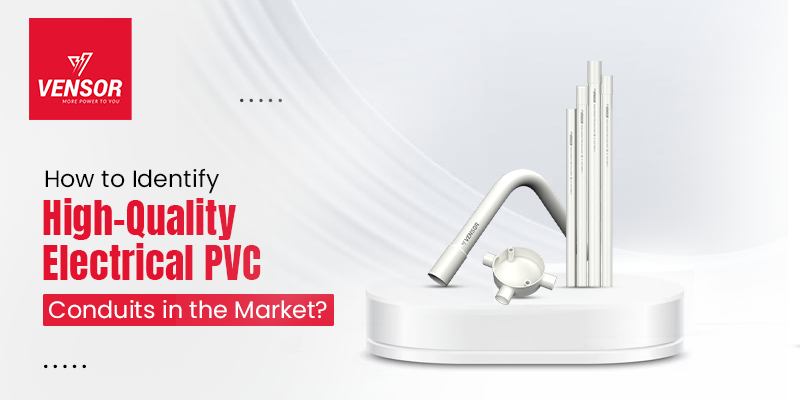
In India’s booming infrastructure and residential construction sector, it’s estimated that over ₹ 2 lakh crore is spent annually on electrical installations and wiring systems. Reports show that poor materials used in electrical wiring installations lead to significant failures, such as short circuits, fire hazards, and system downtime. For professionals looking to work with a PVC pipes manufacturer or to buy electrical wires in India, choosing the right conduit is vital. By sourcing a trusted brand, you aim to avoid recurring replacements and maintenance problems.
This blog explains how to identify high-quality electrical PVC conduits in the market so you can make informed decisions and avoid costly failures.
Who Should Care About PVC Conduit Quality?
- Contractors, electricians and site supervisors installing wiring systems in residential, commercial or industrial sites.
- Procurement managers sourcing PVC pipe manufacturers in India or selecting wiring materials and conduits.
- Anyone evaluating a supplier like Vensor India to ensure that not only the wires, but the raceways and housing (conduits) are reliable.
- Facility owners or maintenance teams planning to buy electrical wires in India who also need conduits that match the wire’s performance and safety.
How to Evaluate and Inspect Conduits?
Use this quick checklist before buying:
- Check marking on the conduit: Manufacturer’s name or logo, standard code (for example, UL 651 or equivalent), size and batch number. If it’s missing or faint, be cautious.
- Inspect physical appearance: Wall thickness uniform, no visible bubbles, pits or defects. Conduit colour appropriate to its defined use (e.g., grey for electrical).
- Material & construction test: Ask for documentation, especially for UV resistance, impact strength, and temperature rating. For example, one article lists 10 things to check before purchasing electrical conduit pipe.
- Installation suitability: Check that the conduit type (Schedule 40, Schedule 80, rigid, flexible) matches your installation environment (indoor vs outdoor, underground vs surface) and has compatible fittings.
- Supplier traceability and reputation: Confirm that the conduit is supplied by a credible manufacturer or distributor, ideally with field references or case studies. If a business supplies both wires and conduits, that can simplify procurement and compatibility.
- Compatibility with wiring plan: If you will buy electrical wires in India, ensure the conduit internal diameter is sufficient for the number and type of wires, future expansion, and ease of pulling wires.
- Test jointing/fittings and sealing: Ensure the conduit system includes suitable fittings, glue/joints (for PVC systems) as appropriate and that the supplier offers them. Improper joints reduce reliability.
When Should You Prioritise Higher-Grade Conduit?
- Outdoor or underground installations: When conduits are exposed to sunlight, moisture, load, or corrosion. A standard indoor conduit may not suffice.
- Critical wiring systems: if you are planning to buy premium wires (for example, electrical wires in India) and expect the system to last decades, the conduit must match that longevity.
- Projects sourcing from local manufacturers or lesser-known suppliers: If you deal with a regional PVC pipes manufacturer in India, verifying product integrity becomes more critical.
- Working with trusted brands: When you choose a supplier like Vensor Electricals Pvt. Ltd., you expect both wires and conduits to be of high quality. Matching conduit performance to the brand’s wiring offering strengthens the system.
Why quality conduits matter, what problems do they prevent?
- Prevent cable damage due to crushing or impact during installation or maintenance.
- Avoid corrosion or degradation due to moisture or chemicals.
- Meet safety regulations and avoid costly failures or non-compliance.
- Ensure the wiring system’s longevity to lower maintenance costs and system downtime.
- Protect brand reputation; if your project uses cheap conduits that fail, it can erode trust and increase liability.
Conclusion
Choosing the right electrical PVC conduit is more than just buying the cheapest pipe. When you plan to purchase electrical wires or partner with a trusted brand like Vensor Electricals Pvt. Ltd., the conduit system must withstand environmental, mechanical, and electrical demands. If you engage a PVC pipes manufacturer in India, treat their conduit product line with the same scrutiny as you would wires. Verify standards, inspect the product, and match it to your wiring plan and environment. With the right conduit, you protect your investment, ensure safety and optimise system longevity.
Frequently Asked Questions
-
What is the difference between PVC conduit and standard PVC pipe?
Standard PVC pipe is designed for plumbing; it is pressure-rated, may have thinner walls or a cellular core, and may not meet electrical safety requirements. Conduit is built for wiring, non-pressurised, but exposed to different risks.
-
Is certification important when buying conduit?
Yes. Certification to recognised standards ensures the product has been tested for fire, impact, UV resistance and other relevant metrics. Without it, you risk non-compliance or early failure.
-
Do premium conduits cost much more than standard ones?
In many cases, the cost difference is moderate, but the risk reduction and lifespan improvements can justify the extra cost. For critical installations, premium quality is worth it.
-
When buying from a local Indian manufacturer, what should I check?
Ensure they provide material test reports, certify to relevant Indian or international standards, clearly mark products, have a good track record, and maintain supply reliability. Whether you’re working with a PVC pipes manufacturer in India who also sells conduits, or directly with a conduit-specialised supplier, the same due diligence applies.